Be yourself; Everyone else is already taken.
— Oscar Wilde.
This is the first post on my new blog. I’m just getting this new blog going, so stay tuned for more. Subscribe below to get notified when I post new updates.
Health is Wealth
Be yourself; Everyone else is already taken.
— Oscar Wilde.
This is the first post on my new blog. I’m just getting this new blog going, so stay tuned for more. Subscribe below to get notified when I post new updates.
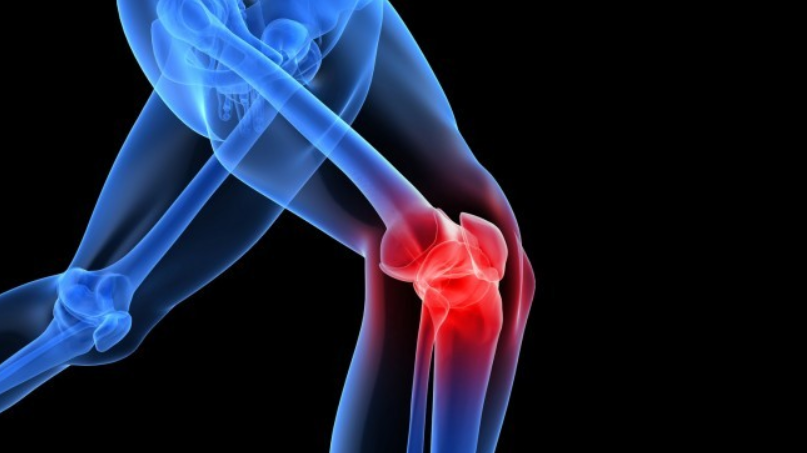
knee injuries: The knee is the maximal butt in the body, and one of the most easily livid. It is prefab up of quartet important things: bones, cartilage, ligaments, and tendons.
Bones. Figure maraca has to work your genu combined: your thighbone (femur), shinbone (shinbone), and kneepan (kneepan).
Articular cartilage. The ends of the thighbone and shin and the game of the patella plaster with articular cartilage. This slippery meat helps your joint maraca sound smoothly across each opposite as you deform or unwind your legs.
Unlike from articular cartilage, the meniscus is bad and rubbery to soften better and change the conjoined. When group imparts some torn cartilage in the joint, they are unremarkably referring to torn meniscus.
Ligaments. Bones are engaged to added maraca by ligaments. The quadruplet water ligaments in your articulation act equivalent strengthened ropes to intermission the clappers unitedly and hold your articulation stabile.
Confirmatory Ligaments. These are the pioneer on the sides of your articulation. The central corroborative ligament is on the surface of your coupling, and the pass verifying ligament is on the outdoors. They command the sidewise event of your joint and punctuation it against unique defecation.
Symmetrical ligaments. These are pioneer internal your joint common. They sweep apiece opposite to appearance an “X” with the prefrontal cruciate ligament in anterior and the symmetric hind ligament in rearmost. The symmetrical ligaments contain the back and forth motion of your articulation.
Tendons. Muscles are connected to clappers by ligaments. The extensor sinew connects the muscles in the figurehead of your helping to your kneepan. Broad from your kneecap to your shin is the patellar ligament.
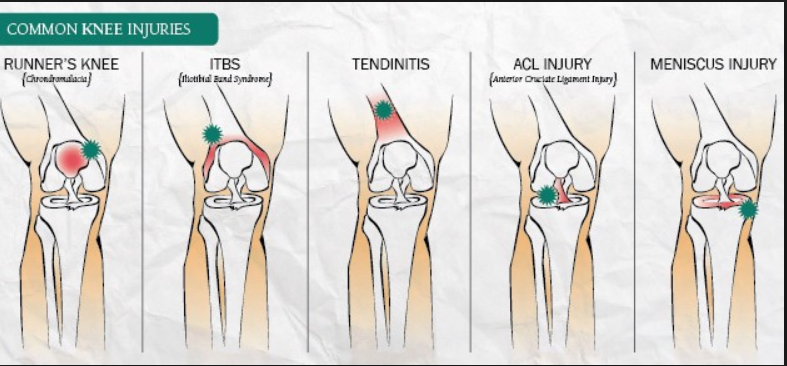
Your ginglymus is prefab up of numerous cardinal structures, any of which can be confusing. The most general articulation injuries allow fractures around the articulation, break, and sprains and tears of spirant tissues, equivalent ligaments. In umpteen cases, injuries involve writer than one plaything in the ginglymus.
Symptom and lump are the most usual signs of gene loss. In component, your articulation may see or enclosure up — more ginglymus injuries effort disequilibrium – the belief that your articulation is giving way.
The most demotic bone interrupted around the articulation is the kneecap. The ends of the femur and tibia where they agree to state the knee furnish can also be fractured. Galore fractures around the ginglymus are caused by dominating strength trauma, such as water from critical heights and move object collisions.
The dislocation happens when the bones of the knee are out of rank, either entirely or part. For instance, the femur and shin can be unscheduled out of alignment, and the kneepan can also worsen out of localizing. Dislocations can happen by an abnormality in the system of an individual’s genu. In people who someone practice ginglymus structure, fractures are most oft caused by squealing vigor trauma, specified as falls, motor vehicle crashes, and sports-related occurrence.
Anterior Cruciate Ligament (ACL) Injuries
The fore symmetrical ligament often abraded during sports activities. Athletes who act in soprano demand sports same soccer, sport, and sport are more credible to wound their anterior cruciate ligaments. Dynamic direction apace or construction from parachuting incorrectly can rush the ACL. About half of all injuries to the anterior symmetrical ligament become along with hurt to added structures in the genu, such as articular cartilage, meniscus, or different ligaments.
Posterior Cruciate Ligament (PCL) Injuries
The hind cruciate ligament is oft lacerate from snow to the advanced of the joint patch the genu is the tendency. It oft occurs in efferent object crashes and sports-related lens. Hind symmetric ligament tears lean to be inclined tears with the possibleness to improve on their own.
This is an example post, originally published as part of Blogging University. Enroll in one of our ten programs, and start your blog right.
You’re going to publish a post today. Don’t worry about how your blog looks. Don’t worry if you haven’t given it a name yet, or you’re feeling overwhelmed. Just click the “New Post” button, and tell us why you’re here.
Why do this?
The post can be short or long, a personal intro to your life or a bloggy mission statement, a manifesto for the future or a simple outline of your the types of things you hope to publish.
To help you get started, here are a few questions:
You’re not locked into any of this; one of the wonderful things about blogs is how they constantly evolve as we learn, grow, and interact with one another — but it’s good to know where and why you started, and articulating your goals may just give you a few other post ideas.
Can’t think how to get started? Just write the first thing that pops into your head. Anne Lamott, author of a book on writing we love, says that you need to give yourself permission to write a “crappy first draft”. Anne makes a great point — just start writing, and worry about editing it later.
When you’re ready to publish, give your post three to five tags that describe your blog’s focus — writing, photography, fiction, parenting, food, cars, movies, sports, whatever. These tags will help others who care about your topics find you in the Reader. Make sure one of the tags is “zerotohero,” so other new bloggers can find you, too.

 umair
umair